
What Is an Open Ground Outlet?
By Detect and Inspect Home Inspections
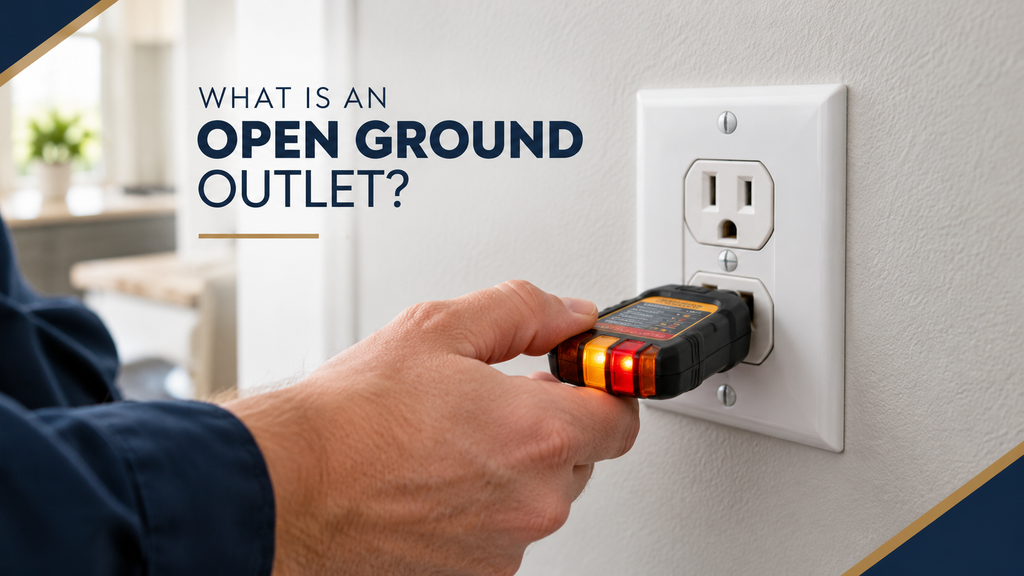
During a home inspection, an outlet tester can reveal electrical conditions that are not obvious just by looking at the receptacle. One finding that sometimes comes up is an Open Ground Outlet. The outlet may appear normal and may even provide power, but the grounding connection is missing or incomplete.
At Detect and Inspect Home Inspections, we check accessible receptacles throughout the home to help identify electrical concerns buyers and homeowners should know about.
What Does Open Ground Mean?
First, modern electrical systems typically include a grounding path designed to provide an additional level of protection if an electrical fault occurs.
An Open Ground Outlet means the receptacle does not have a functioning connection to that grounding path. In other words, the outlet may still have power, but the ground connection expected at the receptacle is not present.
Why Can an Outlet Still Work?
One reason open grounds can go unnoticed is that the outlet may continue operating normally. You can plug in a lamp or another device, turn it on, and everything may appear to work.
However, normal operation does not necessarily mean the receptacle is wired correctly. An outlet tester can help an inspector identify an open ground even when there are no visible signs of a problem.
Open Grounds Are Common in Older Homes
Next, the age of the home can provide important context. Some older electrical systems were installed before grounded receptacles became standard.
Problems can arise when a three-prong receptacle is installed where a proper grounding path is not available. The outlet may look like a modern grounded receptacle even though the electrical system behind it does not provide the expected ground connection.
Improper Wiring or Repairs Can Also Cause Open Grounds
An older electrical system is not the only possible reason for an open ground. Loose connections, damaged wiring, incorrect installation, or previous electrical modifications may also contribute to the condition.
Because the cause is not always visible at the receptacle, an Open Ground Outlet may require further evaluation to determine what is happening within the electrical system.
Why Does Grounding Matter?
Grounding is an important part of electrical safety. Under certain fault conditions, the grounding path provides a route for electrical current and helps protective devices operate as intended.
Without a proper ground, some equipment may not have the protection its manufacturer intended. This is why inspectors document open grounds rather than assuming an outlet is acceptable simply because it provides power.
A Three-Prong Outlet Does Not Guarantee a Ground
One important detail for buyers to understand is that the shape of an outlet does not tell the whole story.
Seeing three openings in a receptacle may give the impression that it is grounded. However, testing may reveal otherwise. This is a good example of why a home inspection involves more than simply looking for visible damage.
What Should You Do If an Open Ground Is Found?
If an inspector identifies an open ground, the appropriate correction can depend on the home’s wiring and the reason the grounding connection is missing.
For this reason, electrical concerns may need to be evaluated by a qualified electrician. The goal is to determine the cause and identify an appropriate correction rather than simply replacing the receptacle and assuming the problem is solved.
Electrical Testing Provides Valuable Information
Small electrical defects can be easy to overlook during a walkthrough. An outlet may look clean, hold a plug securely, and provide power while still having a wiring concern behind the cover.
Testing accessible receptacles helps provide additional information about the electrical system and can identify conditions buyers would have little reason to notice on their own.
Final Thoughts
An Open Ground Outlet may still provide electricity, but that does not mean the receptacle has the grounding protection expected from a properly grounded outlet. Older wiring, improper modifications, damaged connections, and other electrical conditions can all contribute to an open ground.
At Detect and Inspect Home Inspections, we evaluate accessible electrical components as part of the home inspection process and document concerns that deserve attention. Knowing what is happening behind the outlet can help buyers better understand the home they are purchasing.