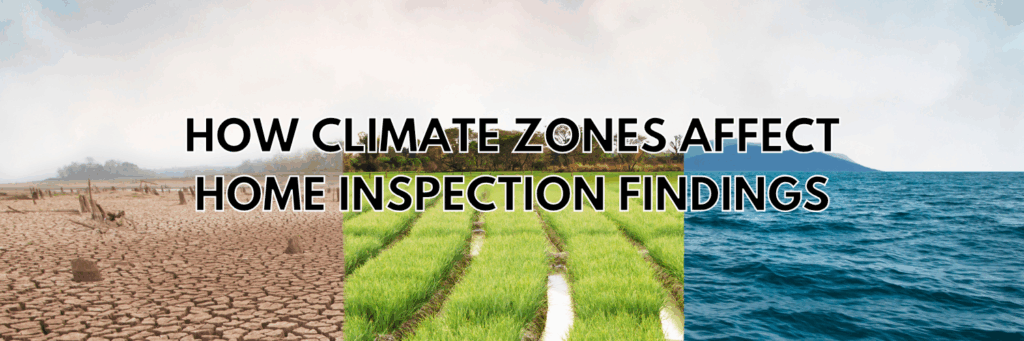
How Climate Zones Affect Home Inspection Findings
By Detect and Inspect Home Inspections
When you schedule a home inspection, you expect a detailed report on your home’s safety, structure, and systems. But did you know that your region’s climate zone plays a major role in what inspectors find? The environment shapes how homes age, how materials respond, and what types of maintenance homeowners should prioritize. At Detect and Inspect Home Inspections, we tailor every inspection to the local conditions — because where you live determines what your home endures.
Understanding Climate Zones and Why They Matter
The United States is divided into several climate zones, each defined by temperature, humidity, rainfall, and seasonal variations. From the humid coastal areas of the Southeast to the dry deserts of the Southwest, every zone creates unique challenges for homeowners.
A home built in a humid zone faces moisture damage risks that wouldn’t exist in an arid region. Likewise, a property in a cold northern zone must handle snow loads and freezing temperatures that never trouble homes in the South. Recognizing your home’s climate zone helps inspectors anticipate the most likely problem areas — and helps you stay ahead of costly repairs.
Hot and Dry Climate Zones
In desert and semi-arid regions, the heat never gives homes a break. Constant sun exposure, temperature swings, and dry soil lead to foundation movement and exterior material deterioration. During inspections, our team checks for:
- Cracked stucco and brickwork from extreme heat and soil shifting.
- Dried-out roofing materials that can become brittle and leak.
- Insufficient insulation that drives up cooling costs.
At Detect and Inspect Home Inspections, we also look closely at the HVAC system. In these zones, air conditioning runs nearly nonstop, and improper maintenance can shorten the system’s lifespan significantly.
Humid and Coastal Climate Zones
High humidity and salt air create one of the toughest environments for homes. Excess moisture encourages rot, mold, and rust — all silent destroyers. Inspectors focus on:
- Wood decay in crawl spaces, decks, and window frames.
- Corroded plumbing and metal fixtures caused by salt exposure.
- Mold and mildew growth in basements, attics, and HVAC systems.
Coastal homes also face strong winds and flooding risks. That’s why we inspect siding integrity, roof fastening, and grading around the foundation. With proactive inspections, you can defend your home from the damaging effects of moisture and salt over time.
Cold and Snowy Climate Zones
In frigid climates, temperature extremes and snow buildup create different hazards. Inspectors in these regions check for:
- Ice dams on roofs that can lead to water intrusion.
- Frozen pipes and poor insulation in basements and crawl spaces.
- Condensation issues from inadequate attic ventilation.
At Detect and Inspect Home Inspections, we emphasize insulation, air sealing, and roof condition in these environments. A well-sealed home stays warm, energy-efficient, and free from freeze-related damage.
Mixed or Transitional Climate Zones
Many areas in the U.S. experience all four seasons — hot summers, cold winters, and everything in between. These mixed climate zones demand homes that can adapt. Inspectors pay close attention to:
- Flexible materials that expand and contract without cracking.
- Effective drainage systems for both heavy rain and melting snow.
- Proper insulation and ventilation that balance heat and humidity.
Because weather patterns shift throughout the year, regular inspections help homeowners adjust maintenance habits with the seasons — from sealing windows in winter to cleaning gutters in summer.
How Climate Zones Influence Building Materials
Homebuilders design and select materials with the local climate in mind, but time and wear still take their toll. In hot climates, asphalt shingles and caulk degrade faster. In humid zones, wooden framing can warp or swell. Inspectors evaluate how well these materials hold up and whether repairs or replacements are necessary.
Understanding how materials react within their climate zone also helps homeowners make smarter upgrade decisions. For example, a metal roof may last longer than asphalt shingles in high-heat areas, while vinyl siding resists moisture better in humid regions.
Protecting Your Home Through Climate-Aware Inspections
No matter where you live, your home inspection should go beyond a simple checklist. A truly effective inspection considers your environment, your home’s exposure, and its ability to withstand local weather. At Detect and Inspect Home Inspections, we adjust our approach to meet the demands of your specific climate zone.
By understanding how weather and environment affect your home, you can stay proactive, protect your investment, and maintain comfort year-round. Whether you face scorching summers, icy winters, or humid coastal storms, a thorough, climate-conscious inspection keeps you one step ahead.
Final Thoughts
Your home’s performance depends on how it handles the challenges of its surroundings. With a knowledgeable inspection team that understands climate zones, you gain insights that help you maintain value, efficiency, and peace of mind.
At Detect and Inspect Home Inspections, we don’t just inspect homes — we evaluate how they stand up to the world around them. Schedule your inspection today and discover how climate-smart insights can make all the difference in protecting your home for years to come.